
Iran’s Supreme Leader Admits Thousands Killed in Protests – Trump Fires Back, Calls for New Leadership
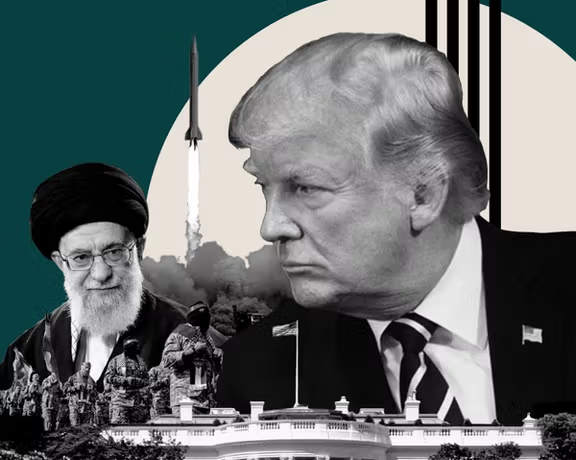
In a stunning development shaking the Middle East, Iran’s Supreme Leader Ayatollah Ali Khamenei has publicly acknowledged for the first time that thousands of people have died amid weeks of nationwide protests – a rare admission from Iran’s top authority amid one of the most severe crackdowns in recent history.
The revelation came during a televised national address on Saturday, January 17, 2026, where Khamenei blamed the United States – and specifically President Donald Trump – for the bloodshed, labeling Trump a “criminal” responsible for casualties, destruction, and “slander” against the Iranian nation. He claimed foreign actors, including those linked to the US and Israel, orchestrated the violence, incited chaos, and caused “several thousand” deaths.
Meanwhile, President Trump wasted no time responding. In a pointed interview with Politico, he declared it was “time to look for new leadership in Iran,” sharply criticizing Khamenei personally. “The man is a sick man who should run his country properly and stop killing people,” Trump said. He added that Iran’s leadership has turned the country into “the worst place to live anywhere in the world because of poor leadership,” emphasizing that true leaders focus on respect, not “fear and death.”
What Sparked the Unrest?
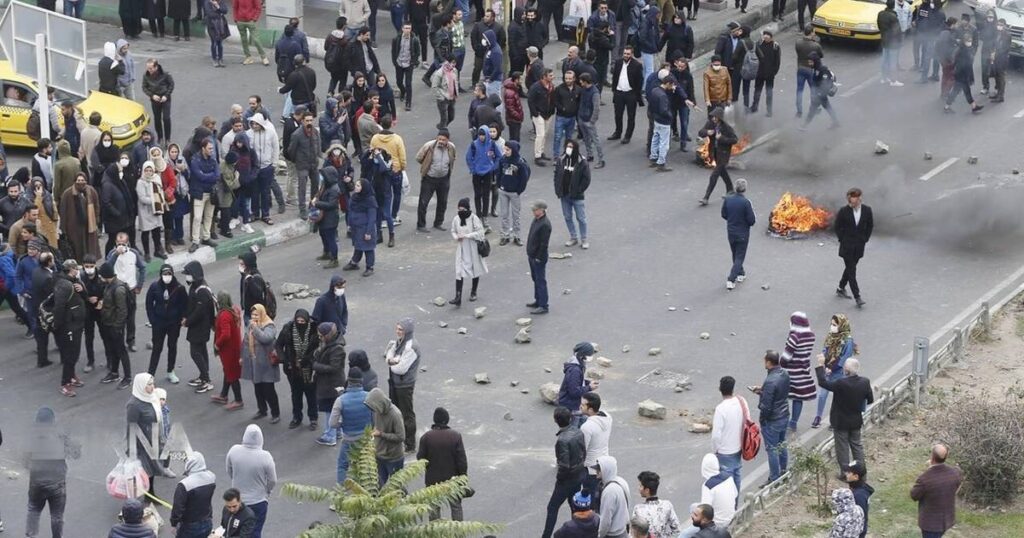
The protests erupted in late December 2025, initially driven by skyrocketing inflation, economic hardship, and shortages of basic goods. What began as frustration over living conditions quickly escalated into widespread calls for political change, including demands to end the clerical rule that has dominated Iran since 1979.
Human rights groups, including the US-based Human Rights Activists News Agency (HRANA), estimate the death toll has surpassed 3,000 over roughly three weeks of clashes. Videos verified by outlets like BBC Persian show security forces opening fire on demonstrators, with reports of internet blackouts, mass arrests, and severe restrictions on information flow making independent verification challenging.
Khamenei, in his speech, described Iran’s economic situation as “truly difficult” but urged unity to defend the Islamic system. He made no direct reference to the actions of Iran’s security forces or the Revolutionary Guard, instead framing the deaths as the result of external plots aimed at weakening the nation.
Escalating War of Words: Trump vs. Khamenei
The exchange marks a sharp escalation in US-Iran tensions under Trump’s second term. Earlier this month, Trump urged Iranian protesters to “keep protesting” and “take over institutions,” promising that “help is on the way.” He has repeatedly threatened “very strong options,” including potential military involvement, if the crackdown continued – particularly in response to reports of planned executions of detained protesters (which Iran later said would not proceed en masse).
Trump’s comments followed him being read hostile posts from Khamenei’s official X account, where the Supreme Leader accused the US of direct involvement in the unrest.
This isn’t the first time Trump has pushed for regime change rhetoric toward Iran. During his first term, he withdrew from the nuclear deal and imposed crippling sanctions. Now, with protests exposing deep internal fractures, his calls for “new leadership” – potentially echoing support for exiled opposition figures like Reza Pahlavi – have intensified global speculation about possible US intervention or heightened pressure.
Global Reactions and What’s Next?
The admission from Khamenei has drawn fresh condemnation from human rights organizations and renewed attention from Western governments. Protests show no signs of fully dying down despite the brutal response, with demonstrators continuing to brave risks in cities like Tehran.
As the death toll rises and rhetoric hardens, the world watches closely: Could this spark broader regional instability? Will Trump’s tough talk lead to diplomatic breakthroughs, more sanctions, or something more direct?
Iran’s future hangs in the balance, with ordinary citizens paying the heaviest price. Stay tuned for updates as this fast-moving story unfolds.
What do you think – is regime change in Iran possible, or will the clerical leadership hold on? Drop your thoughts in the comments below!